 Skip to content


8 Ways to Cut Bloating
Bloating can be a very annoying gastric problem. Not only does it make you feel like an overstuffed balloon, but you also have a hard time fitting into your pants! Gastrointestinal symptoms such as bloating can also be embarrassing.
If you have trouble with occasional bloating, you should consider testing your gut. Our Gut Health Test gives you the tools yo need to diversify your gut microbiota and feel your best.
While bloating may make you feel embarrassed, don’t let it get the best of you. Bloating is more common than you think. In fact, about a quarter of the US claims to experience bloating 1. There is a lot of information out there about reducing bloating, but not a lot of them have science to back them up. So, what does science say about this?
Eliminate Common Foods That Could Contribute to Bloating (low-FODMAP diet)
Certain foods may cause us to feel bloated, and this is especially true if we are eating foods that may induce sensitivities, intolerances, or allergies. Things like lactose in dairy, gluten in wheat, eggs, and more can cause our bodies to react in negative ways 2,3.
Many times, when it comes to food allergies, intolerances, or sensitivities, this can also prompt nausea, vomiting, indigestion, and/or diarrhea/constipation. But it is very common to feel bloated as well. So, it is best to isolate the foods that you are intolerant, sensitive, or allergic to and eliminate them from your diet.
Additionally, SIBO (small intestinal bacterial overgrowth) commonly is associated with bloating. SIBO is a condition where an excess amount of bacteria inhabits the small intestines and overgrows contributing to excessive gas, abdominal discomfort, constipation/diarrhea, and most commonly bloating. Many individuals that suffer from SIBO related bloating start the day with a flat stomach and end it with the feeling they’ve swallowed a balloon.
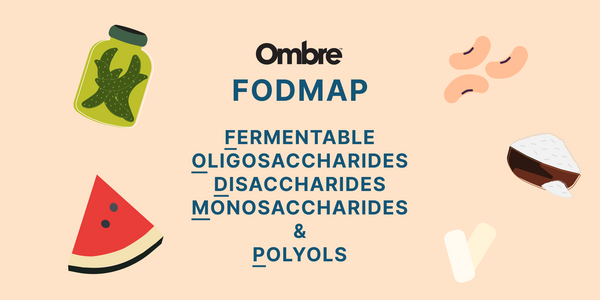
One way to address bloating is by temporarily following what is known as a low FODMAP diet. This means that you eliminate:
- Fermentable
- Oligosaccharides
- Disaccharides
- Monosaccharides,
- and
- Polyols
Or in English, a form of carbs that can contribute to bloating. So you would need to eat what is called Low-FODMAP foods 4.
High-FODMAP foods include:
- Wheat
- Broccoli
- Beans
- Cabbage
- Onions
- And More
The purpose of this diet is to eliminate these foods and then add them back in, one by one, to see which ones affect you and which ones don’t. It is a great way to isolate and reduce foods that may be contributing to bloating.
Once your digestive system resets, we highly suggest introducing these foods slowly into your diet.
Don’t Eat Too Much at Once
While eating far too often might result in weight gain due to overeating, having huge meals instead might not be the best choice either. This is because, when you eat a lot of food at once, you feel too full. As a result, you may experience indigestion. One of the common side effects is bloating.
The best thing to do would be to eat slower. When your body feels full, it secretes a hormone from your fat tissues known as leptin 5. Leptin tells the system it’s satiated, and you can stop eating. This hormone can’t do its job efficiently if you keep piling food on! As a result, you might eat far past capacity. When this happens, bloating and other forms of gastrointestinal distress aren’t far behind!
Avoid Accidentally Swallowing Air
Obviously, if you stop breathing, you’ll stop the bloating. However, we want you to keep living…just without gastrointestinal distress.
One common form of bloating is accidentally consuming too much air with your food. This can be due to poor eating habits, or because of other factors, such as drinking through a straw, chewing gum, or consuming carbonated beverages.
However, a very common way of swallowing air is by not chewing enough when you are eating. Many people do not chew their food well when they are eating, which can cause them to consume too much air. An influx of excessive air can produce gas in the stomach, and inevitably bloating. So, take the time to slow down. Chew your food while you eat. Heck, enjoy it!
Slowing down can be beneficial in other ways as well, chewing triggers the digestive enzymes to start secreting and adequately breaking down your foods. It can also benefit gut health and help you to lose weight. By taking the time to chew, you are allowing extra time for the hunger signals to tell you that you are full.
Drink More Water!
It is sad that telling people to drink enough water even has to make it on a list, but it cannot be said often enough. Not drinking enough water can cause various medical issues. Dehydration can make you feel light-headed, heartburn, and reduce your productivity.
Trying to stay away from caffeine. This stimulant is a diuretic that causes us to lose water and ignite the digestive tract to be hyperactive, contributing to bloating.
Plus, many people add artificial sweeteners, sugars, and dairy to their caffeine drinks. These additives can also cause a bloated belly due to sensitivities, allergic reactions, intolerances such as lactose intolerance, and other factors.
Drinking more water is also great for gut health, as it reduces the risk of constipation. This malady can cause discomfort.Exercise More
Bloating can also be caused by water retention. These issues are especially common for women who are menstruating or people with heart disease and type 2 diabetes.
When you retain water, you might want to actually switch to natural diuretics like tea and coffee. Foods such as celery, asparagus, fennel, and lemon are antispasmodic, so they help decrease visceral hypersensitivity which is associated with bloating.
Exercise is a great way to flush these fluids out of your system. Cardio exercise will get the heart pumping, which can improve blood circulation throughout the digestive tract.
Also, consider trying yoga. Yoga puts your body through poses, twists, and stretches that massage your digestive organs, including the intestines, stomach, and liver.
Cut Back On Alcohol
Alcohol contains sugars that might cause bloating. Bacteria in your large intestine consume these sugars. In turn, these bacteria produce gas that can cause you stomach/ abdominal pain.
Common alcohol sugars to avoid include:
- Xylitol
- Sorbitol
- Mannitol
- Erythritol
These sugars are also in chewing gum. Chewing gum also promotes excessive air intake. So, you might want to lay low and opt for a stomach-soothing peppermint instead.
Try Microbiome Testing and Probiotics
Probiotics have been booming in popularity lately! This is because many of the things that we eat and drink on a daily basis kill a lot of the intestinal flora in our gut biome. Lack of beneficial bacteria can surely throw our system into turmoil.
Digestive Enzymes
One of the best ways to counteract that is through things such as digestive enzymes and probiotics. Digestive enzymes can help you to digest your foods, and reduce indigestion, bloating, and gas. These often include over-the-counter (OTC) choices such as Beano and Lactase.
Gut Health Test Kit
There are many OTC choices for probiotics out there. However, research shows that the majority of these brands are ineffective. This is unfortunate because studies indicate that probiotics can help cases of occasional bloating in people with Irritable Bowel Syndrome (IBS).
The reason for this horrible analysis is because probiotics are live cultures. They need to be treated as such to be a viable force in a person’s gut biome. However, most OTC brands deliver their products with generic strains that lack research or support.
To get fresh probiotics tailored to your gut biome, get a gut microbiome test. At Ombre, we send you an at-home gut health test kit. We give you all the supplies to sanitarily and discreetly collect a sample to ship to our laboratories.
Strain-Specific Probiotic Supplements
From there, our specialists determine which gut bacteria are in your microbiome. We then determine which beneficial bacteria your body needs to stop the chronic bloating.
Using a database of 35,000 scientific journals spanning 1,000 microbes, we find the right food and probiotic recommendations for your gut biome.
Prebiotic-Rich Diet
To contribute to the nourishment of your beneficial bacteria, we work with you on a prebiotic-rich diet. Prebiotics are foods for healthy bacteria. These food sources are typically in different forms of fiber.
Many of your living probiotic bacteria eat nutrient-dense carbohydrates within fibrous foods to grow more abundant.
The best high-fiber foods include:
-
Fruits (Bananas, Apples, Grapes)
-
Herbs (Dandelion, Cinnamon, Ginger)
-
Legumes (Chickpeas, Red Lentils, Soybeans)
-
Vegetables (Artichokes, Spinach, Brussels Sprouts)
-
Whole Grains (Oats, Barley, Rye)
Seeing as we have blog articles on foods that promote IBS, foods that cause leaky gut syndrome, and a Low-FODMAP Diet, we can help you with your bloating issues.
Talk to Your Doctor About Bloating
If all else seems to be failing, the best thing that you can do is talk to your doctor about this. Constant bloating with no known cause may be a sign that something is wrong. It is better to be safe than sorry when it comes to your health. There may be a severe gastrointestinal illness brewing.
All-in-all, bloating can be something that lowers your quality of life. So, finding a way to ensure that it is under control can help you feel so much better throughout the day. Try out a few of these tips to see if they help.
Resources
- 1 Jiang, X, et al. “Prevalence and Risk Factors for Abdominal Bloating and Visible Distention: a Population-Based Study.” Gut, U.S. National Library of Medicine, June 2008, www.ncbi.nlm.nih.gov/pubmed/18477677/.
- 2 Swagerty, Daniel L, et al. “Lactose Intolerance.” American Family Physician, U.S. National Library of Medicine, 1 May 2002, www.ncbi.nlm.nih.gov/pubmed/12018807.
- 3 Biesiekierski, Jessica R, et al. “Gluten Causes Gastrointestinal Symptoms in Subjects without Celiac Disease: a Double-Blind Randomized Placebo-Controlled Trial.” The American Journal of Gastroenterology, U.S. National Library of Medicine, Mar. 2011, www.ncbi.nlm.nih.gov/pubmed/21224837.
- 4 Staudacher, H M, et al. “Comparison of Symptom Response Following Advice for a Diet Low in Fermentable Carbohydrates (FODMAPs) versus Standard Dietary Advice in Patients with Irritable Bowel Syndrome.” Journal of Human Nutrition and Dietetics : the Official Journal of the British Dietetic Association, U.S. National Library of Medicine, Oct. 2011, www.ncbi.nlm.nih.gov/pubmed/21615553.
- 5 Klok, M D, et al. “The Role of Leptin and Ghrelin in the Regulation of Food Intake and Body Weight in Humans: a Review.” Obesity Reviews : an Official Journal of the International Association for the Study of Obesity, U.S. National Library of Medicine, Jan. 2007, www.ncbi.nlm.nih.gov/pubmed/17212793.
General info
-
![]()

Our Old Friend Gluten and Healing a Leaky Gut
Gluten is so many foods and products. For many, this overload of gluten may cause leaky gut. Learn the connection between gluten, leaky gut, and autoimmune disease.
-
![]()

Building a Balanced Plate
Healthy eating doesn’t have to be complicated. In fact, one of the most effective and scientifically supported ways to improve your nutrition is by... -
![]()

Smart Snacking and Why Snacking Matters
Snacking is often viewed as something to avoid, but research suggests it can play an important role in maintaining energy and supporting overall nu...


